What Should We Pay Attention To When Buying a Modular House?
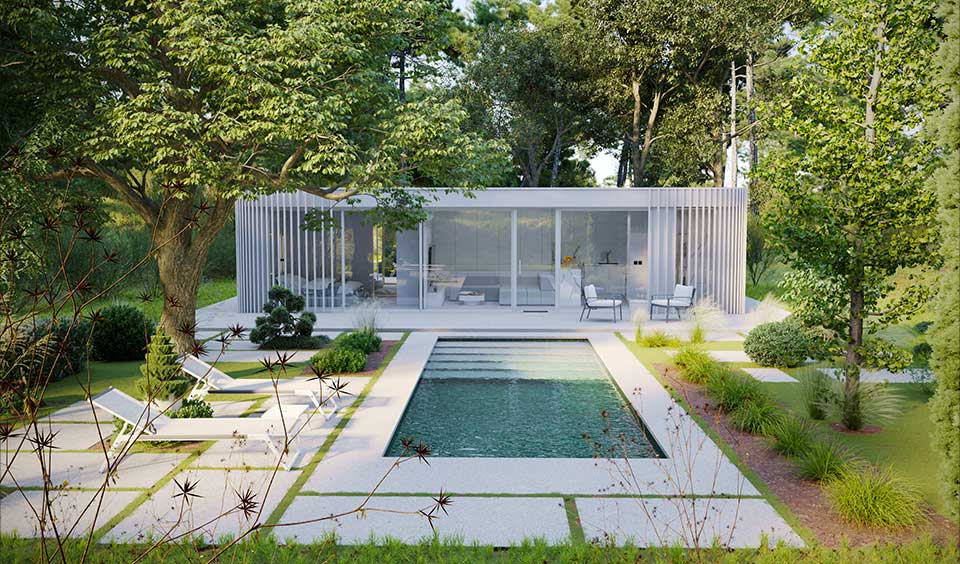
When buying a modular house, there are several important factors to consider to ensure that you make an informed decision and end up with a home that meets your needs and expectations. Here's what you should pay attention to:
Budget: Determine your budget for the modular house, including not only the purchase price but also the costs for site preparation, delivery, installation, permits, utility connections, and any customization or upgrades you desire. Stick to your budget to avoid financial strain.
Research Manufacturers: Research and select a reputable modular home manufacturer with a proven track record. Look for customer reviews, visit their display homes, and ask for references to get a sense of their quality and reliability.
Floor Plans and Customization: Explore the available floor plans and customization options. Consider your family's needs, lifestyle, and future plans when choosing a layout. Ensure the manufacturer can accommodate your customization requests.
Quality and Features: Inspect the quality of materials, finishes, and fixtures used in the modular home. Check for features like insulation, energy efficiency, plumbing, and electrical systems. Inquire about the manufacturer's quality control and construction standards.
Location: Choose a suitable location for your modular home. Research local zoning regulations, building codes, and permits. Consider factors like the climate, topography, and accessibility to utilities and infrastructure.
Transportation and Installation: Understand how the modular home will be transported to your site and the installation process. Ensure your site is prepared in advance, with a suitable foundation or support system in place.
Warranties: Inquire about warranties for the modular home and its components, including appliances, HVAC systems, and structural elements. Understand the terms and duration of the warranties.
Financing: Explore your financing options, including mortgage loans or construction loans if needed. Compare interest rates and terms from various lenders to find the most favorable terms.
Site Preparation: Assess the cost and requirements for site preparation, which may include clearing land, foundation construction, utility connections, and landscaping.
Local Building Codes and Permits: Understand the local building codes, zoning regulations, and permit requirements for your specific location. Ensure that the modular home complies with these regulations.
Delivery Schedule: Get a clear timeline for the construction and delivery of your modular home. Keep in mind that modular homes can often be constructed more quickly than traditional homes, but delays can still occur.
Inspections: Arrange for inspections during the construction and installation process to ensure that everything is being done correctly and according to the design and local building codes.
Contractor Selection: If the manufacturer doesn't provide installation services, hire a qualified contractor with experience in modular home assembly. Verify their credentials and check references.
After-Sale Service: Find out what kind of after-sale service and support the manufacturer offers. You may need assistance with any issues or questions that arise after you move in.
Resale Value: Consider the potential resale value of the modular home. Well-maintained, high-quality modular homes can appreciate in value over time.
Buying a modular home is a significant investment, so taking the time to research, plan, and evaluate your options is essential to ensure that you make a wise and informed decision. Consulting with experts, including real estate agents, contractors, and modular home manufacturers, can also be helpful in the process.